
What dancers need from the garment
Secure through movement
The fit is planned for steps, turns and jumps, not only standing.
Pleats that read in motion
Cloth and pleating affect how the tartan appears while dancing.
Made to the dancer
Measurements shape the kilt for control, comfort and line.
A performance kilt must work in motion
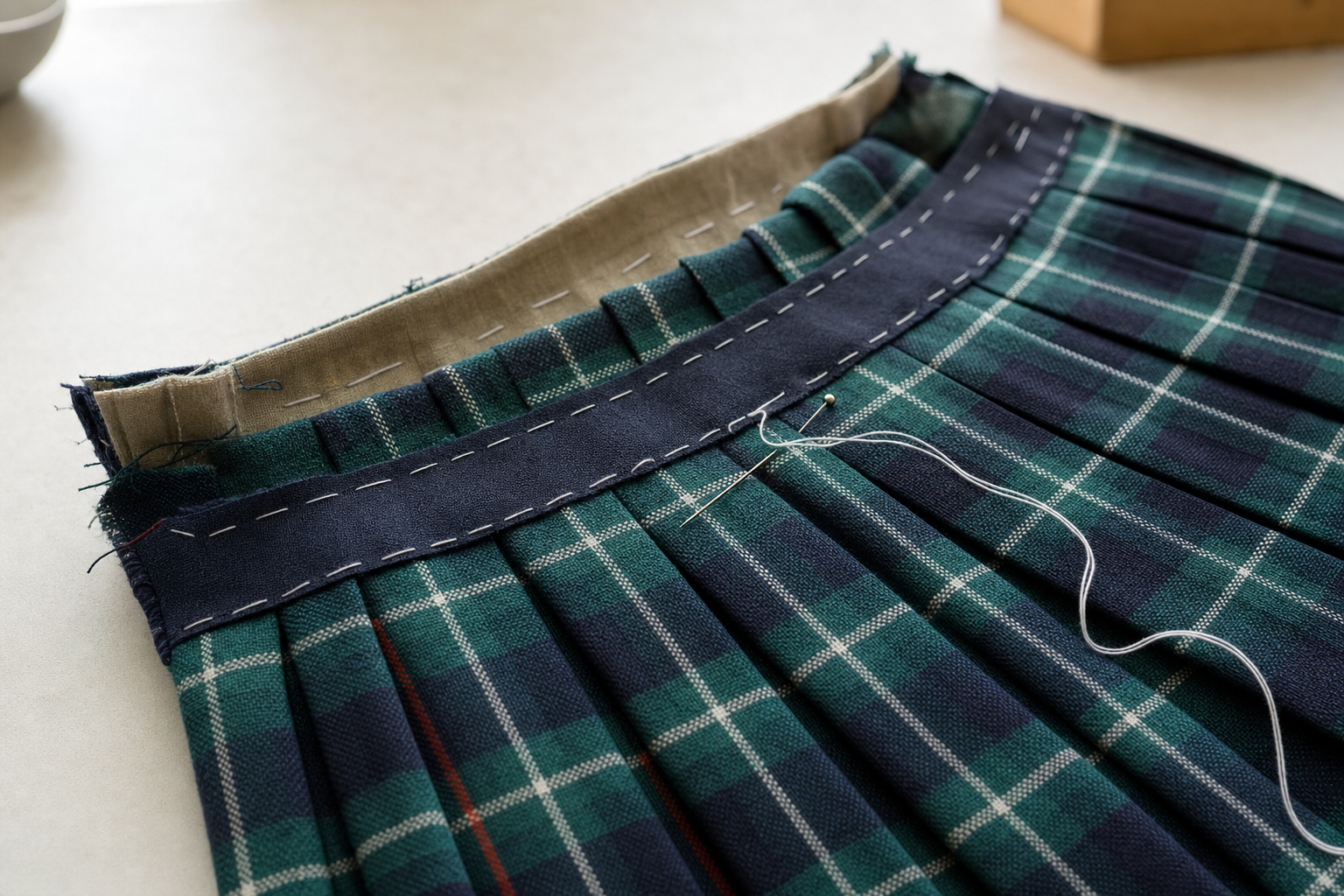
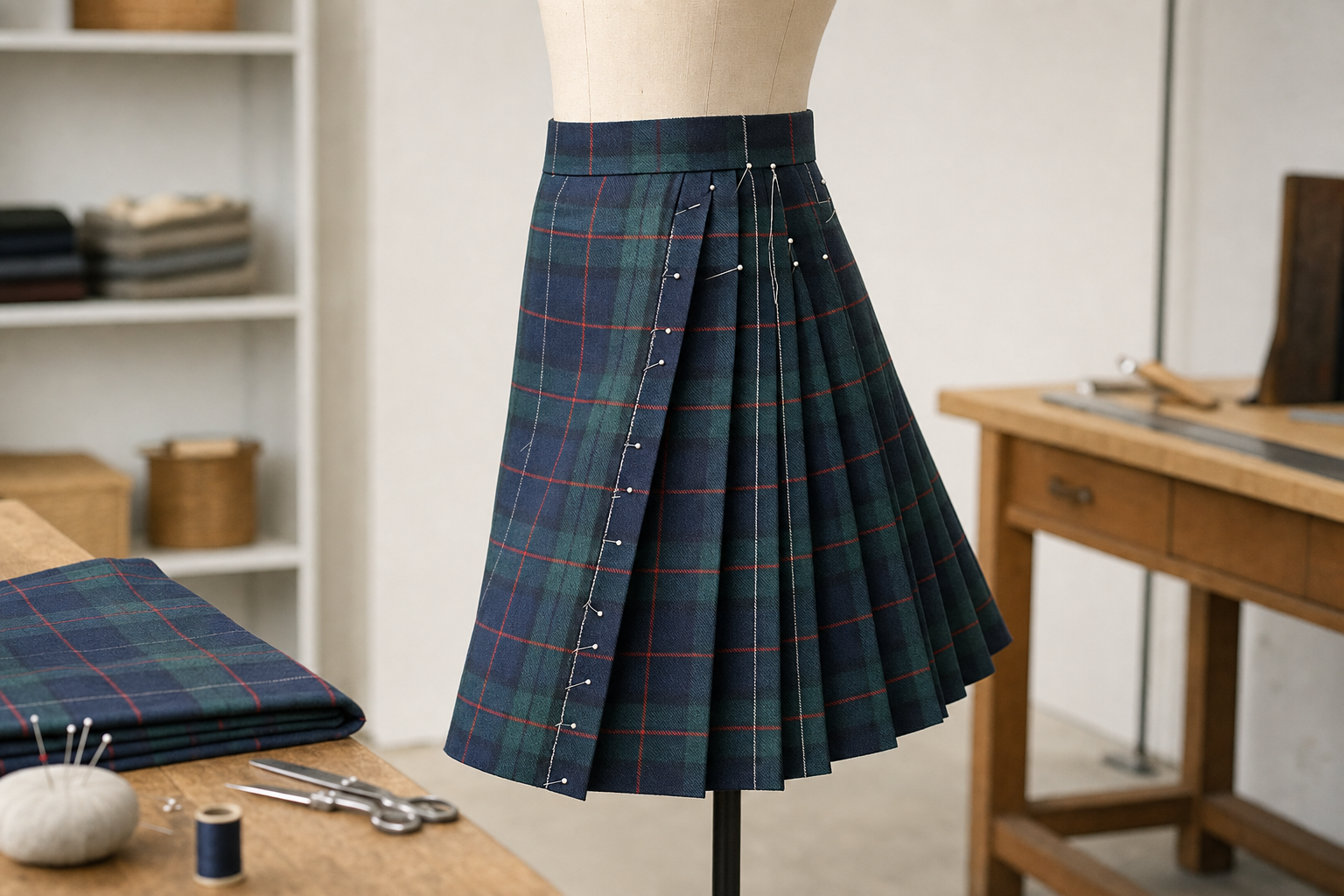
A dancer's kilt has to do its job in motion, not just when standing still. From R & I Macdonald Kilt Makers in West Calder, we make hand sewn Highland dance kilts to measure so the fit stays secure and the movement stays controlled through steps, turns and jumps. Length, pleat construction and cloth distribution all affect how the kilt behaves, and small changes show up quickly once the dancer is performing. That is why a made-to-measure approach matters more here than it might with a garment used only for occasional formal wear.
Pleating, tartan choice and timing matter
The tartan also needs to read well when the dancer is moving. With R & I Macdonald Kilt Makers, we can talk through tartan preference, how pleating choices change the pattern that is seen in motion, and the measurements needed to shape the garment correctly. It also helps to know the date the kilt is required, so the commission can be planned with the right lead time. If performance, presentation and fit all matter equally to you, a hand sewn dancer's kilt is worth commissioning properly.
Frequently asked questions
What makes a dancer's kilt different?
A dancer's kilt has to stay secure and move cleanly through active steps, turns and jumps, so the fit, length, pleating and cloth distribution need closer attention than a garment used only for standing and sitting. Performance shows up flaws quickly, which is why precision matters.
What do you need before you start the kilt?
The most useful starting details are the dancer's measurements, tartan preference and the date the kilt is needed. That gives us the basis for planning the shape, the cloth and the timescale so the finished kilt is ready for the performance it is meant for.
Can you help with tartan and pleating choice?
Yes. We can talk through tartan preference and how different pleating choices affect the pattern seen while the dancer is moving. That part of the decision matters because the kilt is read in motion as much as at rest, especially on stage or in competition.